

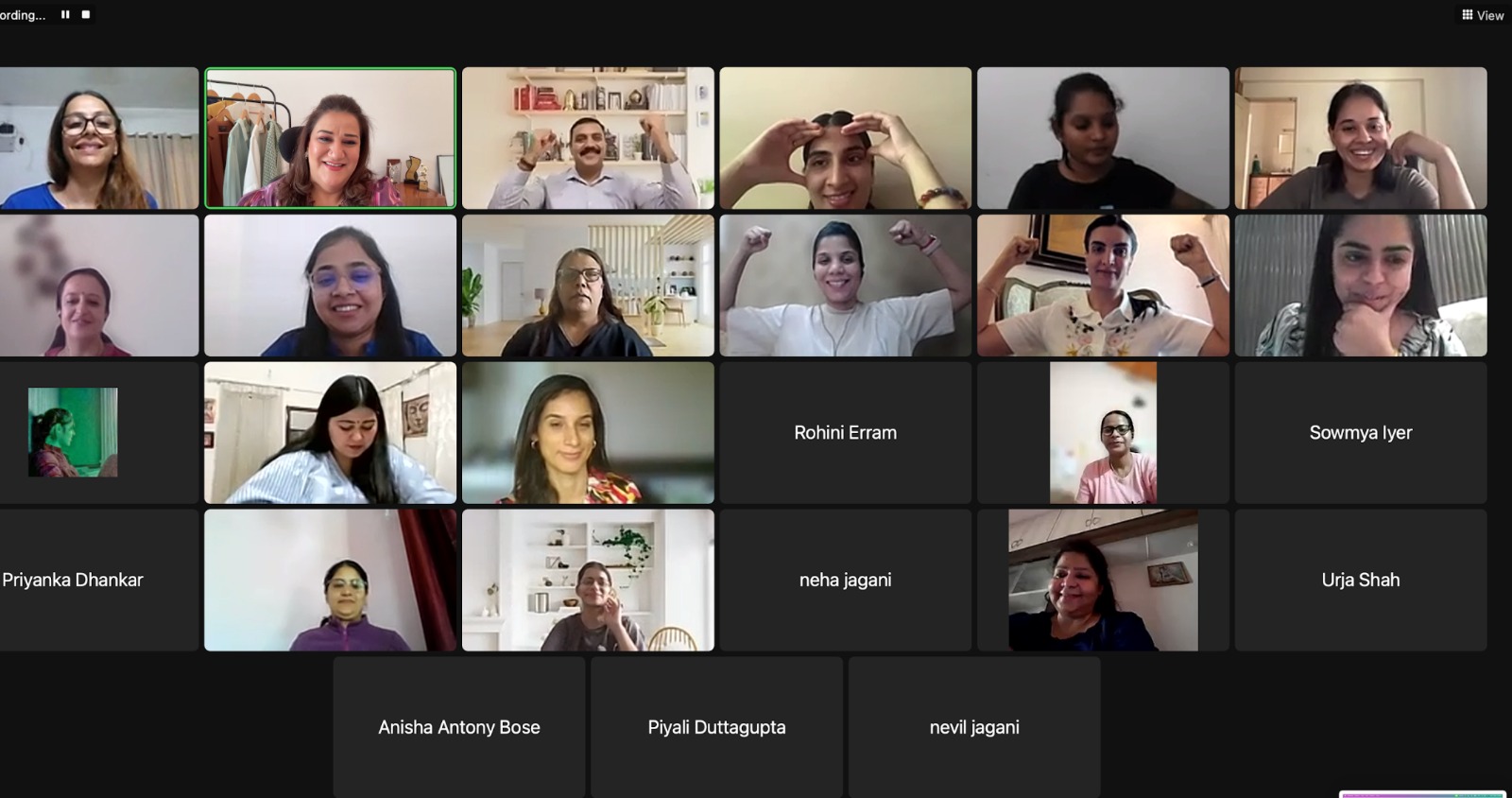
Why 7 Seconds Matter More Than Ever The 7-second rule refers to the brief window where people subconsciously decide: Can I trust this person? Are they confident and competent? Do they seem prepared and professional? In a virtual setting, these judgments are based on visual cues, body language, and energy, not handshakes or physical presence. Camera Positioning: Your Digital Eye Contact Lighting: Let Your Confidence Be Seen Digital Body Language: Speak Without Words Facial Expressions & Micro-Expressions Matter Dressing for the Camera, Not the Office Your Background Tells a Story The First 7 Seconds: What People Really Notice Final Thoughts: Your Virtual Presence Is Your New Power Suit Camera Positioning: Your Digital Eye Contact Your camera placement can instantly make or break your authority. Do this: ● Position the camera at eye level● Keep your face centered with slight headroom● Sit an arm’s length away from the camera Avoid this: ● Laptop cameras placed too low (creates an intimidating or unflattering angle)● Looking at the screen instead of the camera while speaking Expert Tip: Think of the camera lens as the person you’re speaking to. Eye contact builds instant trust even digitally. Lighting: Let Your Confidence Be Seen Poor lighting can make you look tired, disengaged, or unprepared—no matter how strong your expertise is. Best lighting practices: ● Face a natural light source (window)● Use a soft white light in front, not above or behind● Avoid harsh shadows or backlighting Remember: If people can’t see you clearly, they subconsciously disengage. Digital Body Language: Speak Without Words Your body language doesn’t disappear on screen, it gets amplified. Positive digital body language includes: ● Upright posture (signals confidence)● Subtle nodding (shows engagement)● Controlled hand movements within the frame● A calm, composed facial expression What to avoid: ● Slouching● Constantly looking away● Fidgeting or multitasking Your screen presence should say: I’m present, prepared, and professional. Facial Expressions & Micro-Expressions Matter In virtual meetings, faces are closer and more prominent. Even micro-expressions are noticed. ● Begin meetings with a gentle smile● Relax your jaw and eyebrows● Avoid a frozen or overly serious expression A warm, open face helps you appear approachable without losing authority Dressing for the Camera, Not the Office Virtual dressing is not casual dressing. Choose outfits that: ● Have solid, camera-friendly colors● Fit well and align with your professional role● Avoid busy prints or distracting accessories Power tip: Your appearance should match the impact you want to create, not the comfort of working from home. Your Background Tells a Story Your background is part of your personal brand. Opt for: ● Clean, clutter-free spaces● Neutral or soft colors● Purposeful elements (books, plants, minimal décor) Avoid backgrounds that distract or dilute your presence. The First 7 Seconds: What People Really Notice Before you speak, people notice: ● Your posture● Your facial expression● Your eye contact● Your energy That’s your digital handshake Final Thoughts: Your Virtual Presence Is Your New Power Suit Virtual meetings are not temporary they are the new normal. Mastering virtual etiquette isn’t about perfection; it’s about intentional presence.When you align your appearance, body language, and communication, you don’t just show up you stand out.As professionals, leaders, and entrepreneurs, your screen presence should reflect the confidence and credibility you bring to the table.