

A Career Break Is Not a Career End For many women, a career break is not a choice, it’s a phase shaped by life, family, caregiving, or personal priorities. Yet when it’s time to return, the biggest challenge isn’t skill, it’s confidence and positioning. As a former Principal, Image Consultant, and an active member of WICCI, I have worked closely with women leaders navigating re-entry into professional life. One truth stands out: A career break does not diminish your value, it reshapes it. Rebranding yourself is not about starting over. It’s about owning your evolution. Step 1: Shift the Narrative Around Your Career Break Step 2: Identify Your Transferable Skills Step 3: Rework Your Resume With Confidence Step 4: Rebuild Executive Presence Before Re-entering Step 5: Update Your Personal Brand Digitally Step 6: Speak About Your Break Without Hesitation Step 7: Find the Right Ecosystem of Support Step 1: Shift the Narrative Around Your Career Break The first rebrand begins internally. Stop seeing your break as: ● A gap● A pause● A setback Start seeing it as: ● A phase of growth● A leadership lab● A skill-expansion period Your story sets the tone for how others perceive you. Step 2: Identify Your Transferable Skills Life experience builds leadership skills often more deeply than corporate roles. Here’s how common career-break experiences translate professionally: a) Motherhood → Leadership & Management Skills What you did: ● Managed routines, schedules, emotions● Multitasked under pressure● Made quick, high-stakes decisions How to position it: ● Stakeholder management● Crisis handling● Time and resource optimisation● Emotional intelligenceVolunteering & Community b) Work → Organisational Impact What you did: ● Coordinated events● Led groups● Managed resources How to position it: ● Project coordination● Team leadership● Community engagement● Operational planning c) Homemaking → Strategic Operations What you did:● Budgeting● Planning● Negotiation● Logistics management How to position it: ● Financial planning● Process management● Vendor negotiation● Efficiency optimisation Your skills didn’t disappear, they matured. Step 3: Rework Your Resume With Confidence Avoid apology-driven resumes. Instead of: “Career break for family responsibilities” Try: “Professional sabbatical focused on leadership development, community engagement, and personal growth” Use: ● Results-oriented language● Skill-based sections● Recent certifications or learning Your resume should reflect capability, not chronology. Step 4: Rebuild Executive Presence Before Re-entering Confidence is visible before it’s spoken. Focus on: ● Professional grooming & styling● Body language● Voice modulation● Clear communication Executive presence reassures recruiters that you are ready not rusty Step 5: Update Your Personal Brand Digitally Your online presence is your first interview. Audit: ● LinkedIn headline & summary● Profile photo● About section Position yourself as: ● Experienced● Purpose-driven● Growth-oriented Not “returning” but re-entering with clarity Step 6: Speak About Your Break Without Hesitation When asked about your career break: ● Maintain eye contact● Speak calmly● Own your choice Example response: “That phase strengthened my leadership, adaptability, and perspective. I’m now bringing those skills back with renewed focus.” Confidence reframes the conversation. Step 7: Find the Right Ecosystem of Support Re-entry thrives in the right environment. ● Mentorship platforms● Women leadership forums (like WICCI)● Skill-upgradation programs● Coaching & image consulting Support accelerates self-belief. Final Thoughts: Your Comeback Is Your Power Move Women don’t return weaker after a break they return wiser. Rebranding yourself is about aligning your experience, presence, and communication into a story that reflects your leadership potential. Your career is not restarting. It is resuming with depth.

Talent Isn’t the Problem, Visibility Is
Talent Isn’t the Problem, Visibility Is Many capable professionals hit a plateau not because they lack skills, but because they lack executive presence.They deliver results, meet deadlines, and work hard yet promotions go to someone else. Why? Because leadership doesn’t just promote performance; it promotes presence.Executive presence is the quality that makes leaders credible, influential, and promotion-ready. And the good news? It’s a learnable skill set. What Is Executive Presence? Why Executive Presence Accelerates Promotions The Executive Presence Checklist Why Soft Skills Training Is the Game-Changer Final Thoughts: Promotions Follow Presence What Is Executive Presence? Executive presence is the ability to: ● Command attention without demanding it● Communicate with clarity and conviction● Lead with calm authority under pressure It’s often described as gravitas, the weight your words carry when you speak Why Executive Presence Accelerates Promotions Senior leadership looks for people who can: ● Represent the organisation● Influence stakeholders● Lead rooms, not just tasks Your technical expertise may get you hired. Your executive presence gets you promoted. The Executive Presence Checklist Use this checklist to assess what’s helping or holding back your growth 1. Gravitas in Communication: Do Your Words Carry Weight? 2. Conviction: Do You Sound Certain About Your Ideas? 3. Handling Interruptions with Composure 4. Leading Meetings, Not Just Attending Them 5. Strategic Listening: Presence Isn’t Just Speaking 6. Body Language That Signals Authority 7. Emotional Control Under Pressure 8. Professional Image Alignment 1. Gravitas in Communication: Do Your Words Carry Weight? Gravitas isn’t about speaking loudly, it’s about speaking intentionally. Promotion-ready professionals: ● Speak with clarity and structure● Pause instead of rushing● Avoid filler words and over-explainingPower tip: Slow down. Confidence is often heard in the pause. 2. Conviction: Do You Sound Certain About Your Ideas? Hesitation weakens authority even when your idea is strong. Replace: ● “I think maybe we could…” With:● “Based on our data, this approach will deliver results.” Conviction builds trust. Leaders follow certainty. 3. Handling Interruptions with Composure Being interrupted and losing your point signals a lack of presence. Executive response to interruptions: ● Pause● Acknowledge briefly● Reclaim the floor calmly Example: “That’s a valid point. I’ll address that in a moment let me complete this thought.”No defensiveness. No apology. Just control. 4. Leading Meetings, Not Just Attending Them Executive presence shows most clearly in meetings. Leaders who get noticed: ● Set clear agendas● Summarise discussions● Close meetings with action points Even without a senior title, leading the conversation elevates perception. 5. Strategic Listening: Presence Isn’t Just Speaking Leaders listen with intent. ● Maintain eye contact● Respond thoughtfully, not reactively● Ask purposeful questions People trust leaders who make them feel heard. 6. Body Language That Signals Authority Your non-verbal communication often speaks louder than your words. Executive body language includes: ● Upright posture● Calm facial expressions● Minimal fidgeting● Controlled gestures Your body should reinforce your message not contradict it. 7. Emotional Control Under Pressure Executives are measured by how they respond, not react. ● Can you stay composed in disagreement?● Can you manage tone during difficult conversations? Calm leadership creates confidence in others. 8. Professional Image Alignment Your appearance should support your role—not distract from it. ● Well-fitted clothing● Appropriate grooming● Role-aligned styling Executive presence collapses when visual cues don’t match leadership expectations. Why Soft Skills Training Is the Game-Changer Most professionals are never taught: ● How to sound confident● How to handle power dynamics● How to lead conversations strategically Executive presence is not instinct it’s trained behaviour Final Thoughts: Promotions Follow Presence If you want to move into leadership, your presence must arrive before your title does. Executive presence isn’t about pretending to be someone else, it’s about showing up as the most effective version of yourself.And when that happens, recognition follows.

Power Dressing for the Modern Indian Professional: Beyond the Black Suit
Why Power Dressing Needs an Indian Reset For decades, power dressing was synonymous with the black suit. But for the modern Indian professional navigating diverse industries, extreme weather, and evolving work cultures this one-size-fits-all approach no longer works.Power dressing today is not about rigidity. It’s about intentional choices that balance authority, comfort, culture, and personal brand. Especially in cities like New Delhi, where climate and cultural context matter, dressing well is as much strategic as it is stylish.Let’s redefine what power dressing truly means for the Indian workplace. What Is Power Dressing Today? Beyond the Black Suit: The Indian Professional’s Reality Fabric First: The Foundation of Authority & Comfort The Modern Indian Power Lookbook Colour Psychology: Dressing to Influence Grooming & Fit: The Silent Power Boosters Power Dressing for Women: Strength Without Compromise Final Thoughts: Power Dressing Is a Personal Strategy What Is Power Dressing Today? Power dressing is not about dressing “formally”, it’s about dressing purposefully. It communicates:● Confidence without intimidation● Leadership without stiffness● Authority with approachability Your clothing should support your role, industry, and environment—while staying authentic to who you are. Beyond the Black Suit: The Indian Professional’s Reality In India, professionals face unique challenges: ● Hot and humid climate● Long working hours● Cultural expectations● Increasing acceptance of ethnic and fusion wear Power dressing here means choosing smart silhouettes, breathable fabrics, and culturally intelligent styles. Fabric First: The Foundation of Authority & Comfort Your fabric choice speaks before you do. Best Power Fabrics for Indian Climate: ● Cotton blends: Breathable and polished● Linen blends: Relaxed yet refined● Tencel & modal: Soft, structured, and temperature-friendly● Wool blends (lightweight): Ideal for air-conditioned offices Avoid: ● Heavy polyester● Shiny or clingy materials● Overly stiff fabrics that restrict movement Expert Insight: Comfort enhances confidence. When you’re at ease, your leadership presence naturally elevates. The Modern Indian Power Lookbook Power Dressing by Industry 1. Tech & Creative Professionals Vibe: Smart, modern, approachable For Men: ● Tailored chinos or smart trousers● Solid or minimal-pattern shirts● Lightweight blazers or structured overshirts● Loafers or clean sneakers (industry-appropriate) For Women: ● Co-ord sets in muted tones● Structured dresses with soft tailoring● Indian fusion kurtas with straight pants● Block heels or elegant flats Colour Palette: Navy, olive, beige, soft grey, muted pastels 2. Finance, Consulting & Corporate Leadership Vibe: Authority, trust, credibility For Men: ● Well-fitted suits in navy, charcoal, or grey● Crisp shirts in white, light blue, or soft stripes● Leather shoes in brown or oxblood For Women: ● Tailored blazers with trousers or pencil skirts● Sarees in solid colors with structured blouses● Minimal jewelry, strong silhouettes Power Tip: In leadership roles, structure equals authority. 3. Entrepreneurs & Business Owners Vibe: Confident, intentional, distinctive For Men: ● Bandhgala jackets with trousers● Nehru jackets over shirts● Monochrome dressing with statement footwear For Women: ● Handloom sarees with modern blouses● Kurta sets with sharp cuts● Statement dupattas or jackets Cultural Intelligence = Power Ethnic wear, when styled right, signals rooted confidence and leadership. Colour Psychology: Dressing to Influence Colour impacts perception more than we realise. ● Navy & Blue: Trust and intelligence● Beige & Neutrals: Calm authority● Pastels: Approachability● Deep Greens & Maroons: Quiet confidence Avoid overusing black, it can feel harsh in Indian lighting and climate. Grooming & Fit: The Silent Power Boosters No outfit works without: ● Proper fit● Neat grooming● Clean footwear Power dressing fails when grooming is ignored Power Dressing for Women: Strength Without Compromise Power dressing for women is not about appearing “masculine”, it’s about owning presence. Choose outfits that: ● Allow movement● Reflect your role● Align with your personal values Comfort and confidence are not opposites, they are partners Final Thoughts: Power Dressing Is a Personal Strategy Power dressing is not trend-led. It’s impact-led.When you dress with intention keeping your industry, culture, and climate in mind—you project leadership without saying a word.The black suit may still have its place, but true power dressing in India goes far beyond it.
The 7-Second Rule: How to Master Your First Impression in a Virtual Meeting
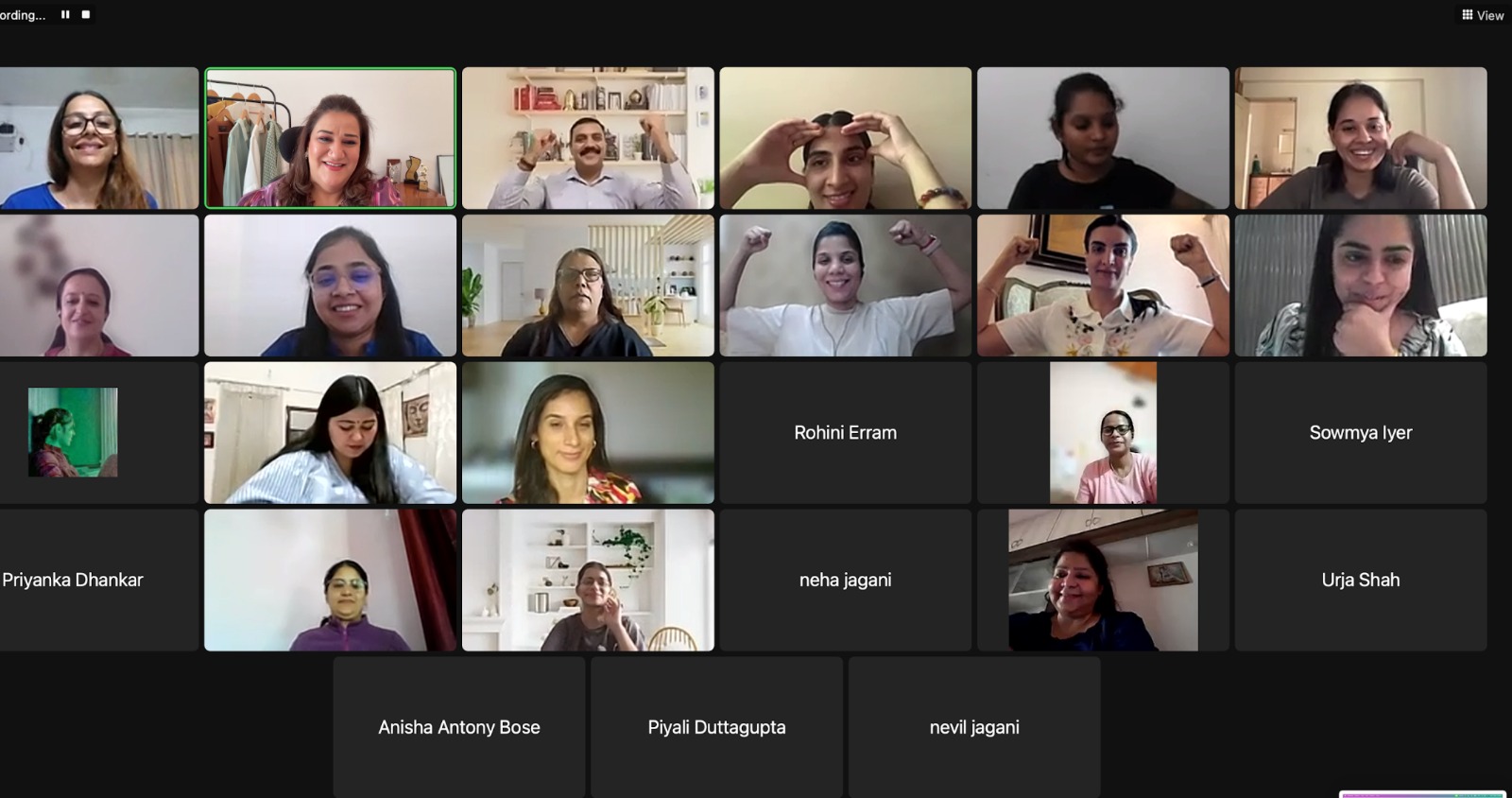
Why 7 Seconds Matter More Than Ever The 7-second rule refers to the brief window where people subconsciously decide: Can I trust this person? Are they confident and competent? Do they seem prepared and professional? In a virtual setting, these judgments are based on visual cues, body language, and energy, not handshakes or physical presence. Camera Positioning: Your Digital Eye Contact Lighting: Let Your Confidence Be Seen Digital Body Language: Speak Without Words Facial Expressions & Micro-Expressions Matter Dressing for the Camera, Not the Office Your Background Tells a Story The First 7 Seconds: What People Really Notice Final Thoughts: Your Virtual Presence Is Your New Power Suit Camera Positioning: Your Digital Eye Contact Your camera placement can instantly make or break your authority. Do this: ● Position the camera at eye level● Keep your face centered with slight headroom● Sit an arm’s length away from the camera Avoid this: ● Laptop cameras placed too low (creates an intimidating or unflattering angle)● Looking at the screen instead of the camera while speaking Expert Tip: Think of the camera lens as the person you’re speaking to. Eye contact builds instant trust even digitally. Lighting: Let Your Confidence Be Seen Poor lighting can make you look tired, disengaged, or unprepared—no matter how strong your expertise is. Best lighting practices: ● Face a natural light source (window)● Use a soft white light in front, not above or behind● Avoid harsh shadows or backlighting Remember: If people can’t see you clearly, they subconsciously disengage. Digital Body Language: Speak Without Words Your body language doesn’t disappear on screen, it gets amplified. Positive digital body language includes: ● Upright posture (signals confidence)● Subtle nodding (shows engagement)● Controlled hand movements within the frame● A calm, composed facial expression What to avoid: ● Slouching● Constantly looking away● Fidgeting or multitasking Your screen presence should say: I’m present, prepared, and professional. Facial Expressions & Micro-Expressions Matter In virtual meetings, faces are closer and more prominent. Even micro-expressions are noticed. ● Begin meetings with a gentle smile● Relax your jaw and eyebrows● Avoid a frozen or overly serious expression A warm, open face helps you appear approachable without losing authority Dressing for the Camera, Not the Office Virtual dressing is not casual dressing. Choose outfits that: ● Have solid, camera-friendly colors● Fit well and align with your professional role● Avoid busy prints or distracting accessories Power tip: Your appearance should match the impact you want to create, not the comfort of working from home. Your Background Tells a Story Your background is part of your personal brand. Opt for: ● Clean, clutter-free spaces● Neutral or soft colors● Purposeful elements (books, plants, minimal décor) Avoid backgrounds that distract or dilute your presence. The First 7 Seconds: What People Really Notice Before you speak, people notice: ● Your posture● Your facial expression● Your eye contact● Your energy That’s your digital handshake Final Thoughts: Your Virtual Presence Is Your New Power Suit Virtual meetings are not temporary they are the new normal. Mastering virtual etiquette isn’t about perfection; it’s about intentional presence.When you align your appearance, body language, and communication, you don’t just show up you stand out.As professionals, leaders, and entrepreneurs, your screen presence should reflect the confidence and credibility you bring to the table.